




When the people next to you create an environment that is respectful, supportive, and emotionally secure, we work better. But office relationships are not always so easy. While some colleagues help make the stressful days more bearable, others gradually make every day at work more and more mentally exhausting. Without a coworker etiquette guide, the situation becomes stressful.
Actually, it’s a lot more complicated. For example, it’s not just about workload anymore. Often, it’s about communication problems, conflicts and frustrations, unhealthy management skills, and exhausting relationships that just wear you down.
Research from Gallup’s State of the Global Workplace found that, across the globe, employees continue to experience high levels of daily workplace stress, especially in environments where communication and management in the workplace appear unsupportive. (Source: https://www.gallup.com/workplace/349484/state-of-the-global-workplace.aspx)
Meanwhile, not everything in a work situation is conflict management. In a work situation, situations can call for knowing how to be empathetic, considerate, and civil. A co-worker retires. A co-worker moves on. A co-worker is ill. Someone loses a loved one. In those situations, many people have difficulty finding words that don’t come across as flat, awkward, and/or overly formal.
This is exactly why communication in the workplace is much more important than you might think.
You’ll learn what distinguishes a coworker from a colleague, how to maintain professional composure when faced with rudeness or hostility, and what to say in emails, cards, and letters: retirement wishes, farewell messages, condolence notes, sympathy cards, and get-well wishes.
Coworker vs Colleague: Is There a Difference?
Although many use colleague and coworker to mean the same thing, there is a tiny distinction. Coworker: means ‘a person you work with. The term is more casual, and it generally applies to anyone you work with from different departments, work groups, or levels of the organization.
A colleague generally sounds a little more professional. It is most usually used for the individual who is the same as you, or in the same department or paper, or is responsible for the same sort of thing.
For example:
- “One of my coworkers solved a computer problem for me. “
- “I collaborated with my colleague to prepare the presentation.”
In normal working terms, both words are correct, but colleague is slightly more formal and refined, and the better choice for use in professional emails, business discussions, etc.
Knowing these subtle ways of communicating will encourage professionalism at work, making it feel more respectful and purposeful.
How to Handle a Difficult Coworker Professionally

Not all workplace relationships make you feel good. There is almost always at least one difficult coworker in a workplace, and the emotional toll of those interactions can sometimes be much greater than one anticipates.
Some bad types are relatively easy to spot straight away.
A difficult coworker may:
- Always criticize other people
- Ignore communication
- Create unwarranted tension
- Shift blame to others
- Interrupt meetings
- Make passively aggressive comments
- Involved in the unofficial control of tasks
- Create discomfort without openly crossing boundaries
The most difficult part is that a lot of these situations drain you emotionally well before they are recognized as work issues.
Based on the American Psychological Association’s research, toxic interactions in the workplace and persistent stress among colleagues have been linked to adverse effects on the mental health, focus, motivation, and general welfare of employees. (Source: https://www.apa.org/topics/healthy-workplaces)
1. Avoid reacting emotionally
Hard-to-work-with coworkers often make situations that can be provoked things to get emotional. Reacting on impulse just inflames things.
Instead:
- Pause before responding
- Maintain a calm style
- Keep to the facts
- Avoid arguments in public
- When others are not, you need to stay professional
Staying professionally calm keeps both your reputation and your emotional energy safe.
2. Keep communication direct and clear
Lost or poor communication gives misinformation and misunderstandings a place to take hold, and most workplace conflicts escalate due to sarcasm, ambiguity, or passionate language.
Simple communication usually works better:
- “Can we get some clarification here?”
- “I like to give one-on-one feedback, so I’d rather not do it in public.”
- “Let’s stay focused on the task.”
Clarity of communication will also help people understand each other and prevent escalation.
3. Set professional boundaries
You shouldn’t have to give every coworker all of your time, personal space, or emotional energy.
Healthy workplace boundaries may include:
- Limiting unnecessary conversations
- Avoiding office gossip
- Work-focused interactions
- Safeguarding personal time outside work
Boundaries are not rude. They are essential safeguards against emotional, social, and workplace burnout and exhaustion.
4. Document repeated issues
If the situation at work is having a negative effect on your mental well-being or the problem occurs repeatedly, keeping a record might be a good idea. Write down:
- What happened?
- When it happened?
- Who was involved?
- How does it affect the work environment?
This is mainly important when dealing with such issues as harassment, favouritism, or other repeated aggressive behaviours in the workplace.
5. Recognize when the environment itself is unhealthy
The problem is not only one difficult co-worker or a difficult supervisor; sometimes the problem is one of the overall group and office atmosphere.
Signs of an unhealthy work environment may include:
- Constant negativity
- Public embarrassment
- Poor communication
- Favoritism
- Fear of speaking openly
- Lack of support
- Emotional tension throughout the workplace
The World Health Organization (WHO) estimates that depression and anxiety disorders cost the world economy $1 trillion annually in lost productivity, most of it connected to dysfunctional work cultures and unmanageable job strain.
(Source: https://www.who.int/news-room/fact-sheets/detail/mental-health-at-work)
Identification of these symptoms early can help protect your emotional health, self-esteem and work output.
Workplace Relationships Are Not Only About Conflict
While the most regard is given to difficult circumstances, workplace relationships are not characterized exclusively by stress or conflict.
A healthy workplace can also be constructed through small acts of courtesy, encouragement, understanding, and communication between coworkers.
While sometimes professionalism involves staying calm amidst stressful situations, other times it involves knowing when to support coworkers during major life events.
This becomes especially noticeable when:
- A coworker leaves the company
- Someone retires after years of work
- A colleague experiences illness
- A team member goes through a personal loss
In such situations, most people find it difficult to sound professional, yet still authentic.
Professional Goodbye Wishes to a Coworker
For instance, when someone leaves a company, it is difficult for most people to write a heartfelt coworker farewell letter without sounding too sentimental or cliché.
Goodbye messages don’t need to be elaborate; it is best to keep them simple, show respect, and be honest.
Short goodbye wishes to a coworker
- Best wishes and happiness for your future. It was a pleasure working with you.
- Wishing you success and happiness in your next chapter.
- Your cheerful, positive attitude and professionalism will be missed for sure.
- Thank you for your support and all the teamwork over many years.
- Wishing you all the best in all that is to come in your future.
Friendly coworker goodbye note
- Work will not feel the same without your energy and positivity around the team.
- Thank you so much for making stressful workdays less hard and more manageable.
- Wishing you happiness, growth, and success in whatever new position you may find yourself in.
Professional farewell message for remote coworkers
- Even remotely, your cooperation and professionalism definitely made a difference to the team.
- Remote work can be a little lonely sometimes, but working with you was a pleasure from beginning to end.
Retirement Message for a Coworker

Retirement messages must sound warm, respectful and grateful but not overly dramatic. Reaching the end of your career involves a major life transition. Most of all, routines, meetings, deadlines, and teamwork.
A thoughtful message that reflects on the person’s contribution and how he or she has affected people acknowledges the efforts of the retiree.
Professional retirement messages
- Congratulations on your retirement and the incredible career you built over the years.
- Your commitment, professional attitude and professional experience have left lasting impression in the work environment.
- May you find peace, happiness and contentment on your life’s new journey.
Warm retirement wishes
- You really deserve this next chapter of your life. Enjoy it to the fullest.
- Work will not feel the same without your guidance and presence.
- Thank you for the years of support, advice, and encouragement.
What to Write in a Sympathy Card for a Coworker
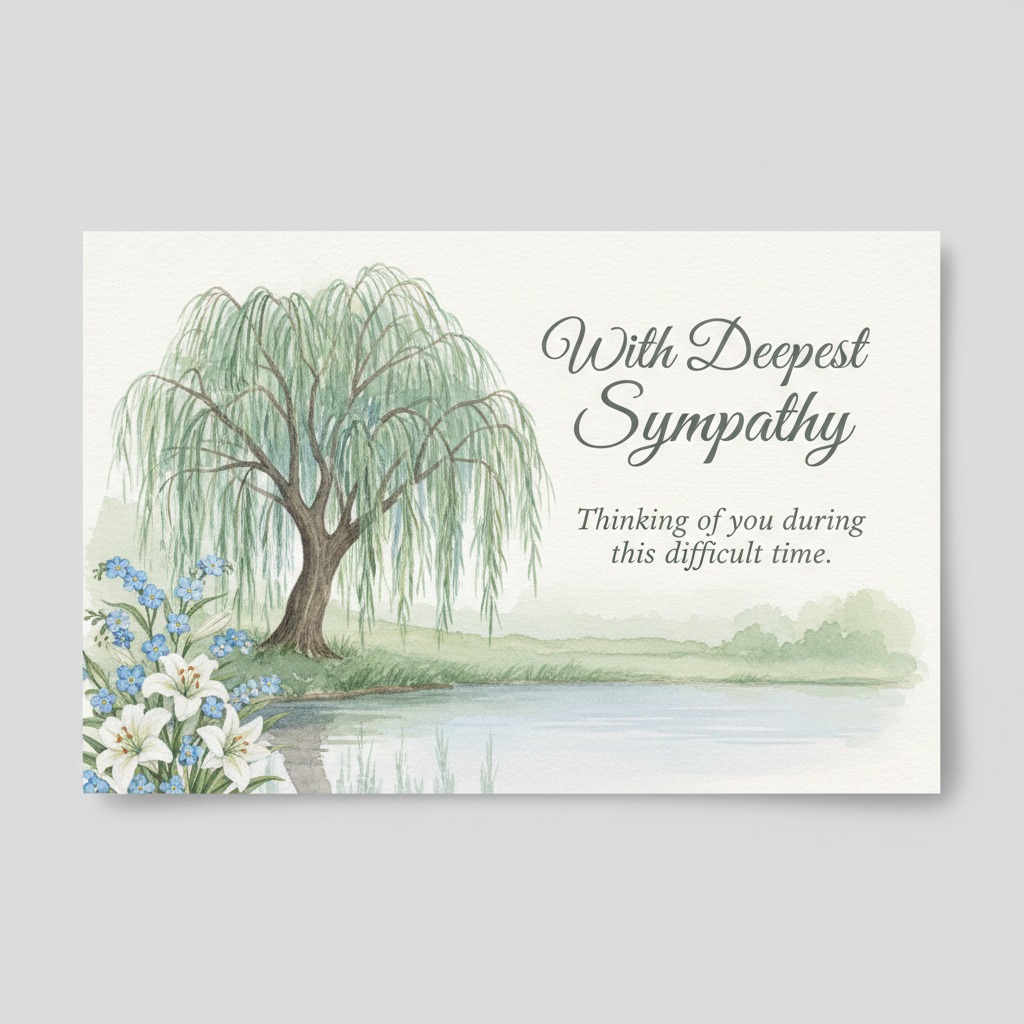
Some work situations are much more intimate and emotionally painful than others. When a colleague has a death in the family, many individuals are reluctant to utter the wrong words. For this reason they sometimes say nothing.
The fact is that no one is expected to be a polished speaker. In reality, simple sincerity matters far more than perfect wording.
Short sympathy messages for a coworker
- I’m so sorry for your loss. I’m keeping you in my thoughts during this tough time.
- Sending you and your family strength and support.
- Please accept my most sincere condolences.
- May you find peace and comfort in the days to come.
Professional condolence messages to a coworker
- Our sincere sympathies to you at this difficult time; the team here is keeping you in our thoughts.
- Our thoughts and sympathies are with you.
- Sending you my wishes of comfort, strength and healing for the future.
Simple Get Well Notes for a Coworker
Workplace relationships may also suffer from frequent absences due to illness or health problems.
A kind get-well note makes co-workers feel know they were on each other’s mind, important, and cared for during their time.
Professional get-well wishes
- Wishing you a smooth recovery and better days ahead.
- Take all the time you need to rest and recover properly.
- Hope you feel healthy and strong again very soon.
Friendly get-well notes for coworkers
- Work feels quieter knowing you’re not here.. Wishing you a fast recovery.
- Our positive thoughts are with you, and hoping you feel better soon.
- Get well soon. Here’s to the hope that you will be back healthy and stronger than ever.
Why Workplace Communication Matters More Than People Think
Workplace issues are, in fact, not only caused by workload. Often, they can be a product of poor communication, unsettled tension, emotional strain or lack of respect between individuals.
At the same time, positive workplace communication also shapes how work feels every day:
- Goodbye messages in a courteous manner help to build good relations.
- A supportive note of sympathy fosters trust.
- Healthy boundaries lower stress.
- Professional communication prevents unnecessary conflict.
- Effective interactions humanize the work environment.
According to Harvard Business Review, when employees experience respect at work, they are more engaged, more focused, work better with others and are generally more satisfied with their jobs.
(Source: https://hbr.org/2014/11/respectful-workplaces-boost-morale-and-productivity)
People tend to perform better naturally when the environment feels emotionally safe, respectful, and supportive.
Final Thoughts
Relationships in the workplace influence far more than most people understand. An effective work space is not just about productivity, deadlines, or wages. It is, in fact, about communication, emotions, professionalism, and respectfulness.
Whether you’re simply writing a retirement message to a coworker, personalizing a “sympathy” card, learning ways to deal with a difficult coworker, or working on better communication at work, the goal is the same: fostering healthier, more relaxed, more human workplaces.
Modern workplace research consistently shows that communication quality, emotional safety, and supportive workplace culture have a direct relationship with productivity, retention, motivation, and employee health over time.
Because enjoyable workdays are rarely created by tasks alone. They are built through the people, dialogue, and environment of your day-in-and-out.

Leave a Reply