




Introduction: “Harder” Lose Over “Smarter”
Everybody has heard “work smarter, not harder” or something similar, but what is the reason for saying this? By and large, working for many of us is like running against time. That’s why we should look for small habits that will change our work life.
You start your day, switch on your computer, and before you realize it, time is flying, and your task list is as long as ever. Being a workaholic or driving yourself to do more is not the secret.
It is through mini and simple habits that one slowly transforms the way one handles things. The beauty of these small habits is that they do not ask for large input or significant change in life.
Instead, without you noticing, they reorder your day, giving you more power, ability to focus, and the thing that matters the most, happiness in doing the things you do.
Let’s consider some of these tiny habits that can completely change your work-life and bring a feeling of fulfillment to your working day.
Start Your Day with Painless Setup Habits
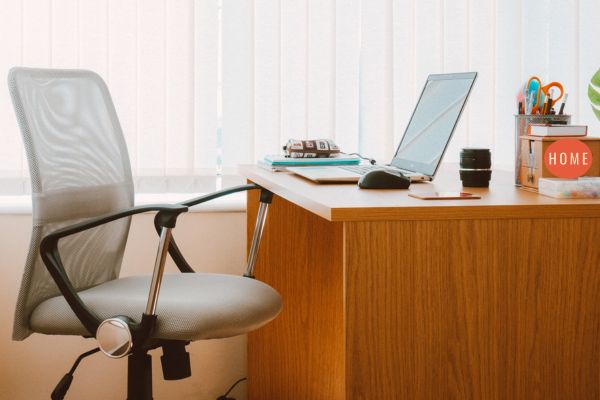
Before starting to check your emails or loading up a bunch of tabs, just stop for five minutes to get your room ready. This little habit gets your brain ready for work. Throw away any traces of what you did yesterday: a glass, a stack of papers, or random notes.
Keep close at hand all the things that you generally use: water, a notebook, a pen, and maybe a small snack. Open one of the software programs you need instantaneously rather than all of them at once.
Initiating with such a minor thing will create a lot for you, changing your entire day. You do a directed start instead of accidentally finding yourself caught up in work. This practice, over time, leads you to always neatly arrange your workspace with a focus mode.
Be Friends with Shortcuts
Every time you reach for the mouse to click through menus, you are wasting a few seconds more than necessary. It might not seem like a lot, but if you add up all those seconds throughout the day, it becomes quite a substantial amount of time.
This is why keyboard shortcuts are a great idea. The following are some common shortcuts that can actually save you time:
Ctrl + C / Ctrl + V: Instantly copy/paste.
Ctrl + Z: Undo/rewind quickly.
Alt + Tab: Switch between open windows quickly.
Ctrl + T: Open a new tab without moving the cursor and clicking the + icon.
Ctrl + F: Find a word or phrase on any page.
It might feel hard to memorize them at the beginning, but very soon, it will become second nature. Suddenly, those complicated multi-step things will just take a single step.
One Thing at One Time (Yup, That’s True)
People frequently want to believe that they are really good at multitasking. The truth? Multitasking really reduces the length of your attention.
What happens is, instead of completing one job quickly, you will find yourself abandoning three jobs halfway.
Highlight this behavior instead: concentrate on a single job and continue until it is completed or until you have been concentrating on it for a set duration (say 20 minutes).
Remember to keep extra tabs or apps closed. Make little bargains like: “I will just do this for the next 30 minutes.”
Consequence: Besides finishing things quicker, you will be less exhausted as well since your mind is not constantly forced to switch between different modes of thinking.
Two-Minute Rule
If a task takes less than two minutes, do it immediately. Instead of waiting till the end, respond to short emails, write down phone numbers, or file quick documents immediately.
Doing this habit keeps small tasks from turning into a large workload. Imagine 10 small tasks on your to-do list; these are 10 times you remind yourself of the tasks, thereby weighing yourself down mentally. If you get these things done fast, your list of tasks will feel lighter instantaneously.
Getting Control Over Your Messy Inbox
In many cases, if you give emails the opportunity, they might just consume your entire day. Rather than checking your inbox every few minutes, make a plan for the times when you will check it, e.g., morning, after lunch, and just before finishing your day. During those times, use a simple routine:
If it is less than a 2-min task, answer the email immediately.
It is a longer task, mark the email and allocate a time later to deal with it.
If the matter is not of your concern, delete/ archive it.
Consequently, email will be at your service, not controlling you.
Breaks Are Fuel, Not Laziness
There is a temptation at times to keep pushing your work without breaking the flow, but doing back-to-back nonstop work is the main reason that things get messed up.
You really need short breaks to help you re-energize.
Try the Pomodoro technique: work for 25 minutes, then take a break for 5 minutes. You can do your stretches, drink water, or just look away from the computer screen.
After four Pomodoros, take a longer 15 to 20-minute break. This mini-break habit resets your brain and makes you come back refreshed instead of tired.
Your Tools Within Your Reach
Initially, this habit may come across as overly simple, but it is very effective. Think back to when you interrupted your work just to look for a charger, pen, or notebook.
Establish a tiny system:
A cup or holder for stationery.
A charging spot where cables stay plugged in.
A notebook close to your keyboard.
By simply arranging this little system, you eliminate your distractions and maintain flow for a longer period of time.
Your Day Should End with a “Wrap-Up Habit”
The way that you wrap up your work has an impact on how you start the next day. Use the last 5 to 10 minutes to do three things:
1- Close any extra tabs and apps.
2- Write down what you finished.
3- Jot down the top three tasks for tomorrow on a sticky note.
Such a habit communicates to your brain that the workday is finished. You go out with a clear mind. When you come back, you will already know what to work on.
Celebrate Small Wins
We tend to chase after major goals and, at times, miss out on all the small wins that happen along the way.
For example, did you organize your inbox today? Did you complete an important part of your report? Did you find out about a new shortcut?
Don’t just ignore those things; really, celebrate them – mentally give yourself a high five.
Acknowledging such minor wins can make our work feel more gratifying. As these little positive moments stack up, you actually end up developing a better, more enjoyable relationship with your work.
Building Your Own System
Here’s a little secret: You don’t have to implement all these habits at the same time. Pick one or two that you feel are the easiest for you right now.
When you become familiar with those, then bring in more. Wonder is not the result of a single big change, but of many small ones. One shortcut, one habit, or one saved minute each week and month can change how you experience work.
Conclusion: Smarter, Happier Work
Working smarter is not about taking shortcuts or doing less. It is about setting up an atmosphere and habits that make performing work a natural thing instead of a struggle.
These little habits, such as tidying your area, acquiring keyboard shortcuts, giving your full attention to one task, and wrapping up your day, may not be very thrilling, but they are really quite effective.
The biggest plus? They not only make work more efficient but also bring more happiness to it. Because really, the aim is not merely to finish the work, but to live a life where work is a source of joy.